ACADEMY_LOG: MEDIUM_TETHERING //
ACCESS LEVEL: standard //
MEDIUM TETHERING
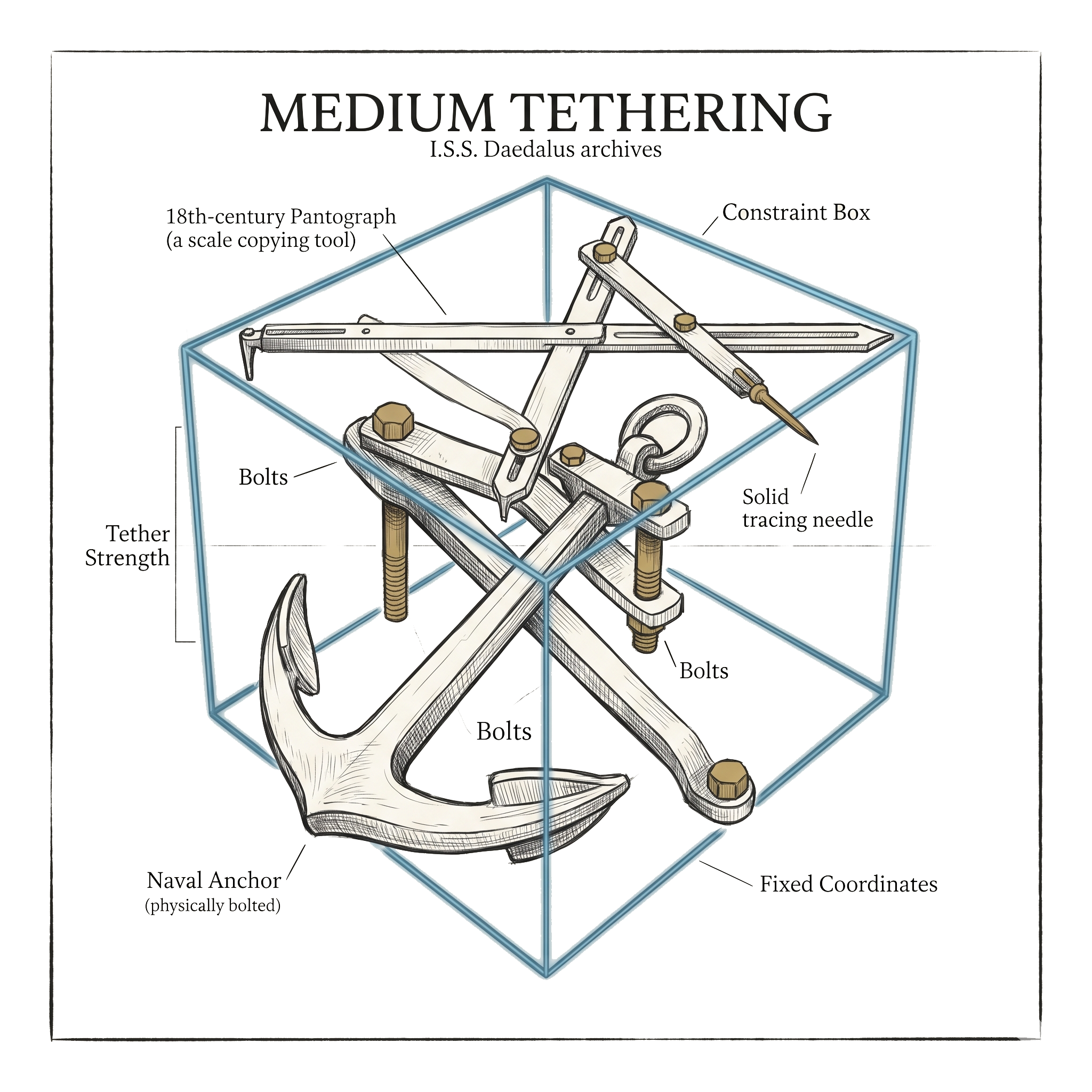
Medium Tethering is a measure that captures the relationship between the idea and its physical form. IP is not divorced from the vehicle that delivers it to audiences. Medium Tethering is one of the negative metrics that accounts for the “it’s not the book” kind of resistance audiences have to successful adaptations. Because the medium changes, even from the first to a second movie in a film series, there is drag on its cultural momentum. Low Medium Tethering can allow a property to move across media while highly tethered properties have a clearer path to success in building out the product to sell
Medium Tethering quantifies the importance of a property’s medium in defining its identity. Tightly tethered properties might be ripe for reboots and sequels, but don’t leave much room for adaptations. Loosely tethered properties already exist across multiple media formats and audience expectations are less about the physical consumption experience and more rooted in the psychosocial dynamics. Playing Mario on a PC wouldn’t feel right: the controller is part of its identity. The first efforts to move it to TV and film were ‘cult’ hits at best but they made room for Mario 64 and the rest is history. Even so, every entry in the property needs to “feel like a game”, even if it isn’t directly structured to be one. The chomp-chomp hasn’t broken free of its tether entirely. When used predictively, Medium Tethering measures how far an event is moving away from that anchor point. It reflects the tension between events within a property and its origin point.
TETHER LEVELS
Medium Tethering ranges from scores of 1 to 5, with 5 being the most tightly tethered properties. Medium Tethering tends to change very slowly between iterations but (as described above) it can change across events within a property. Major shifts in technology can also help change (or reinforce) Medium Tethering. 3D filming technology flopped and took plenty of franchises with it (like Mila Jovovich’s Resident Evil films.)
LEVEL ONE – ESSENTIALLY UNTETHERED
These properties are designed to live in a multimedia world. They’re typically more frameworks or cultural artifacts than cohesively branded properties. The freedom is not license to change the property, but permission to play with how the story is told.
EXAMPLE. Whether it’s the latest remake of Nosferatu or the mascot of a children’s chocolatey cereal, Dracula exists in nearly every format imaginable. The character ranges from a sympathetic victim of cruel times to a grumpy puppet teaching children to count. Like the character itself, the property can take on any form it needs to survive.
LEVEL TWO – VESTIGIAL TETHERING
These properties were once deeply tied to their original medium or began as multimedia concepts. The original medium’s defining characteristics will still echo throughout the property but not directly shape audience expectations of the latest event. These can be assets when utilized but will mar events that try to stray too far from that essential tie.
EXAMPLE. Star Wars events will almost always open with a thunder-and-lightning show of scrolling text into a slow zoom of doom. Whether you’re turning on a game console or reading a comic, the flavor of movie theater popcorn is a welcome reminder of where this story started and how far it’s come.
LEVEL THREE – COHERENT TETHERING
The property leans on its medium to tell the story. These properties might exist across similar mediums (a TV show gets a movie/a comic gets an animation series) but their core structure remains rooted in the original medium. Side properties are often less prestigious than the main title series at this level.
EXAMPLE. South Park is at the center of Comedy Central’s content strategy and has been for most of my life. It’s made a few video games, a reasonably successful movie, and led to a few songs even but the property remains centered around the currently airing season.
LEVEL FOUR – RIGID TETHERING
These properties push the medium to its limits, introducing new technology or ways of interacting that come to define the property. Properties in this level can make the jump to adjacent media but are poor candidates to truly cross-media transformations.
EXAMPLE. Assassin’s Creed has proven itself a valuable IP with 14 main series installments. More than its story or cinematic cutscenes, its stomach-dropping gameplay moments are what anchor the series to the video games. A few spin-off comics and novels have done modestly well but the upcoming film will be the real test of how well the story can survive the leap of faith needed to transform it into a worthwhile blockbuster.
LEVEL FIVE – BINDING TETHERING
These properties live through their medium. The medium is essential to how the property functions and how the audience interacts with it. Breaking the medium requires clear communication to the audience for new expectations and focus on how to retain the essential elements of the property.
EXAMPLE. Tetris must always be Tetris. You can anthropomorphize game characters and throw it in other media, but it being a game is essential to the property’s existence. It can become many different games and have many different iterations, but if people see the word, they expect a game to kick-off.