ACADEMY_LOG: LORE_GRAVITY //
ACCESS LEVEL: standard //
LORE GRAVITY
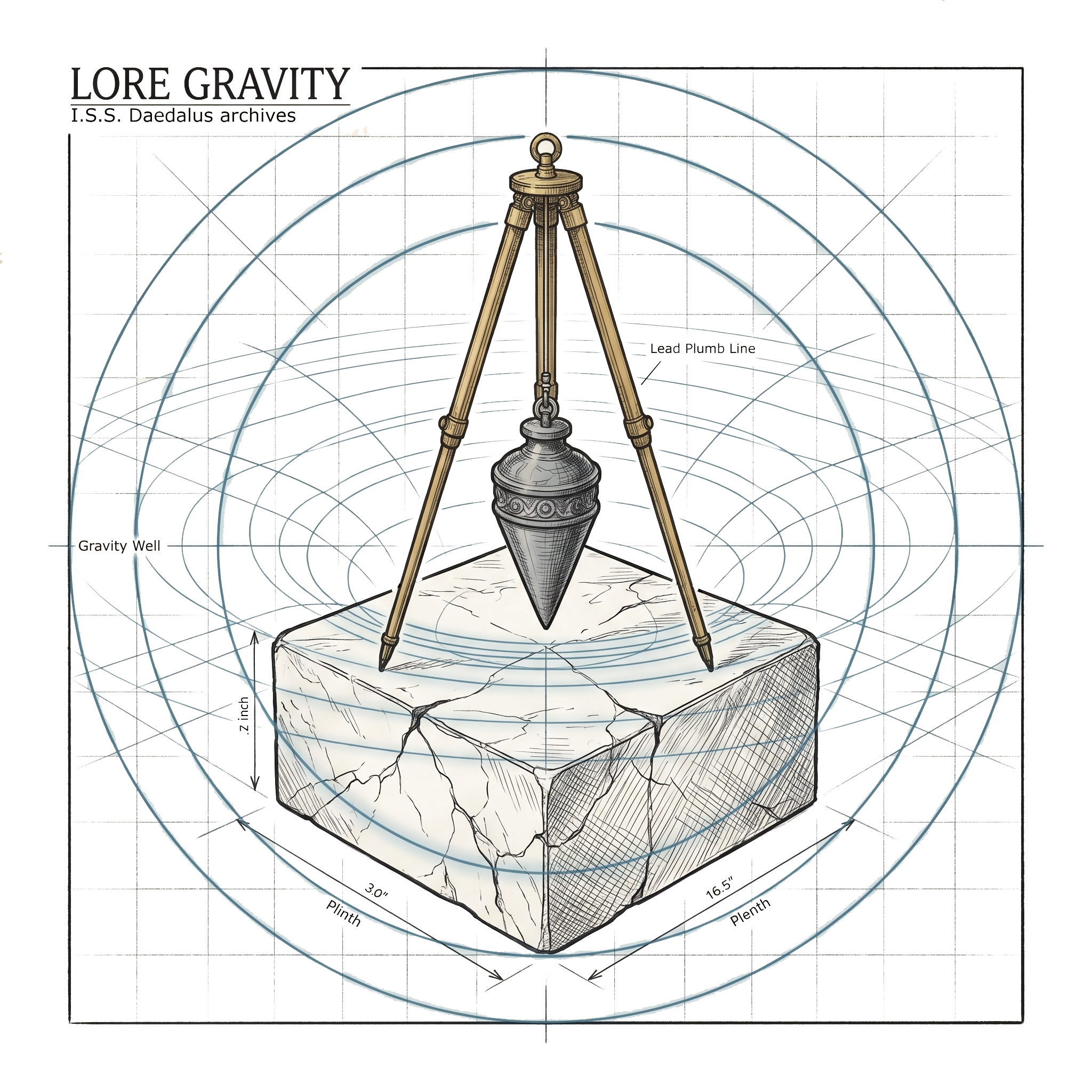
Lore Gravity is a strategic metric that quantifies the density and "pull" of a narrative’s world-building. It measures the strength of a property’s tonal and symbolic universe to determine how effectively it retains audiences across different media. Properties with high Lore Gravity create a powerful "orbit" of fan loyalty but face significant resistance to narrative changes, while low Lore Gravity IPs offer greater flexibility for rebranding and ecosystem repositioning.
Lore Gravity quantifies the weight of the narrative’s world. Specific story events (episodes, seasons, games, books) take place within a tonal and symbolic universe. This “voice” is often more important than a specific retelling. Worlds with powerful Lore Gravity keep their fans close and drag them along from property to property. Those fans also tend to take any changes to their orbit seriously. The intensity can be appealing or off-putting to familiar and fresh audiences. Lore Gravity interacts with Artifact Valence and Medium Tethering to define TAM and how different audience segments are most likely to interact with the new development. Properties with low Lore Gravity can be revived by giving them a new core or repositioning their place in the greater content ecosystem.
GRAVITY LEVELS
Lore Gravity ranges from scores of 1 to 5, with 5 being the densest degree of gravity. Lore Gravity tends to be one of the harder measures to predict change on. Lore Gravity rarely increases; reboots or radical reimagingings are the exception where a property is truly “revived” and is recentered around its more recent entries.
LEVEL ONE – DISJOINTED GRAVITY
The narrative world is a loose network of characters, story events, and affective notes. The specific setting feeds very little into the story. It can be considered a ‘universal’ property. Properties here are barely IP, more akin to urban legends than legacy folklore.
Example: Happy Tree Friends lived on the walls of Spencer’s for a solid decade, merchandising the viral video born, violent critters. The world itself has no actual weight with other aspects of the property holding it together. The shorts are just as valid as the graphic Ts or snarky coffee cup. Aside from “cute critters doing bad things” there isn’t much lore to speak of here but it’s made millions for MondoMedia.
LEVEL TWO – WEAK GRAVITY
The narrative world has key symbols and structural elements that directly inform the story events. The specific rules of the setting are fluid and open to interpretation as long as the essential symbols are present and consistent across adaptations.
Example: Dungeons & Dragons has its core symbols in the name. Across its different editions and many media events, the property has high-level logics but few specific, central symbols or lore. In fact, its lore is designed to be adopted to suit the needs of any given story. The D&D pinball game feels just as much part of the lore as the latest official addition.
LEVEL THREE – STANDARD GRAVITY
The property world exists around clearly established lore without strong expectations of absolute continuity. Different versions are welcomed as long as core symbols and world logics remain. Affective signature plays a heavy role in keeping the lore coherent at this level.
Example: Harry Potter plays fast and loose with its rules. Wandless magic has become casual in the recent extended universe films, the movies move farther from the source material as we reach the 7th (in its two parts), but the spirit of Harry Potter is coherent and links the different media events into a unified property. The aesthetic is essential.
LEVEL FOUR – DENSE GRAVITY
The narrative world is deeply rooted in a rich, developed symbology established across several entries in the property. Books, comics, and games sometimes begin with strong levels of gravity given the runtime to present it relative to movies or shows. The lore is a major draw to fans, more than particular characters or specific entries in the series.
Example: Star Wars needs Jedi, The Force, and the metaphysical weight of the characters’ choices to tell its stories. Without those elements, it’s just wizards with light swords fighting to smooch the princess (who is also your secret sister.) Disney’s choice to reboot the lore to film-only canon when they acquired the property remains controversial. It’s telling that their most popular entries have stuck within that established, now-retired lore’s confines (The Mandalorian, Rebels)
LEVEL FIVE – BINDING GRAVITY
The narrative world is the essential glue between audiences and the property. Aesthetic alignment is essential to adapting these properties successfully. Audiences want to see the lore expand but intensely reject revisions or outright errors. You have a built-in audience but need to meet their expectations.
Example: The infamous Dragon Ball flop Dragonball Evolution (2009) failed to adhere to the aesthetics and established lore of the DB universe. FOX canned the sequels despite DBZ being revived multiple times. The fans are so caught up in the lore they’ve forced the creator out of retirement! Failing to comprehend the importance of the lore cost many on this project their careers.